 Free builder scan
Piecing together the Experimenatation puzzle
You know Experimentation grows companies. You've read 𝘊𝘰𝘯𝘵𝘪𝘯𝘶𝘰𝘶𝘴 𝘋𝘪𝘴𝘤𝘰𝘷𝘦𝘳𝘺 𝘏𝘢𝘣𝘪𝘵𝘴, 𝘛𝘩𝘦 𝘓𝘦𝘢𝘯 𝘚𝘵𝘢𝘳𝘵𝘶𝘱 and follow Marty Cagan.
There are frameworks out there on how to build Experimentation Programs and Cultures, five step sequences, and more, and: they don't work.
Because that's not how in-house experimentation actually gets built.
It gets built like a puzzle. Some teams start with the corners and edges. Others begin in the middle.
Let's figure out where you are, and what piece to pick up next.
You do not need perfect buy-in, budget, or tooling to begin. You need a starting point.
Free. Takes about 5 minutes. Built for leaders at $100M+ brands.
Trusted by experimentation leaders at scale


Different starting points. 4 essential pieces.
Across our work and the experts we surveyed, these are the edge pieces we kept coming back to.
A sponsor who creates space
Someone senior who gives room, budget and cover. Seven people put this first. One added that sponsorship only works if there are consequences when big decisions skip the evidence.
A clear business reason
A goal or problem that experimentation helps solve. Five people put it first. Tie your first tests to a business problem or debate that is already on the table.
Data people believe in
A testing tool that works, tracking that has been checked, and metrics the business agrees with. Nobody ranked data low, and it was the pain people mentioned most.
One willing team, and someone who can run and explain a test
A team with questions it really needs answered, and one person who knows the craft and can explain results in plain language. Ideally that person knows the organisation and who to call. "Start small" came up again and again.
A practical view of what to strengthen next.
You will land within one of five stages of completing the puzzle. Each one is a starting point, not a verdict:
- Fragmented: find the corner pieces
- Emerging: build the edges
- Structured: connect the sections
- Embedded: see the bigger picture
- Optimised: complete the puzzle
This Scan shows you where to begin with what you already have.
Ready to assemble your picture?
Built for Heads of Product, Performance, and Growth at $100M+ brands who want experimentation embedded deeper in the business, without waiting for ideal conditions.
Free
We are on a mission to build healthy experimentation programs.
5 minutes
A short series of questions, a clear picture back.
Your next piece
See what is fragmented and where to focus first.

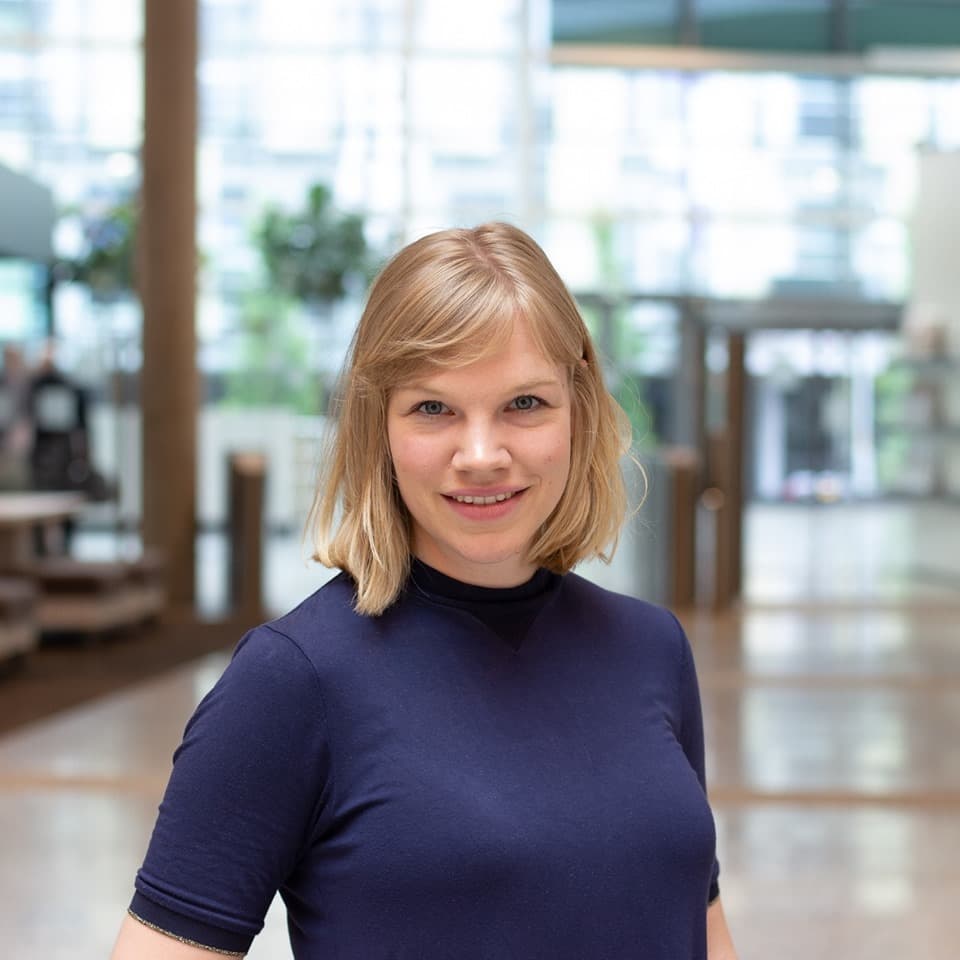
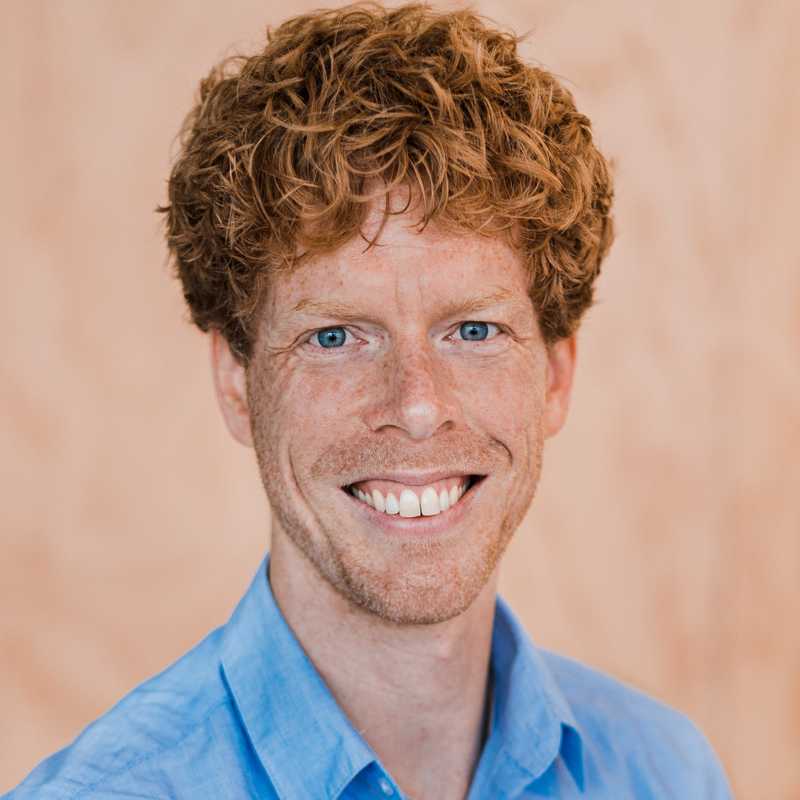
Built by Ruben de Boer and Lucia van den Brink
Between them, Ruben and Lucia have built more than 100 experimentation programs for global brands. They have seen what works, what quietly stalls, and what actually moves a program forward.
Less following. More figuring it out.
A different lens on building experimentation in-house, and a clearer sense of where to focus next.
For Product, Growth and CRO Leaders building an experimentation programme, finding their footing, or wondering why their current approach has stalled.
Understand the puzzle you actually have
Recognise the conditions, constraints and opportunities that shape experimentation in your organisation.
Find your next piece, not someone else's
Use frameworks to diagnose where you are, rather than follow a sequence that ignores your context.
Connect learning to meaningful growth
Bring leadership, people, goals and tools together to build a healthier data-driven culture.